Valencia CA Neighborhoods and Villages Guide for Homebuyers
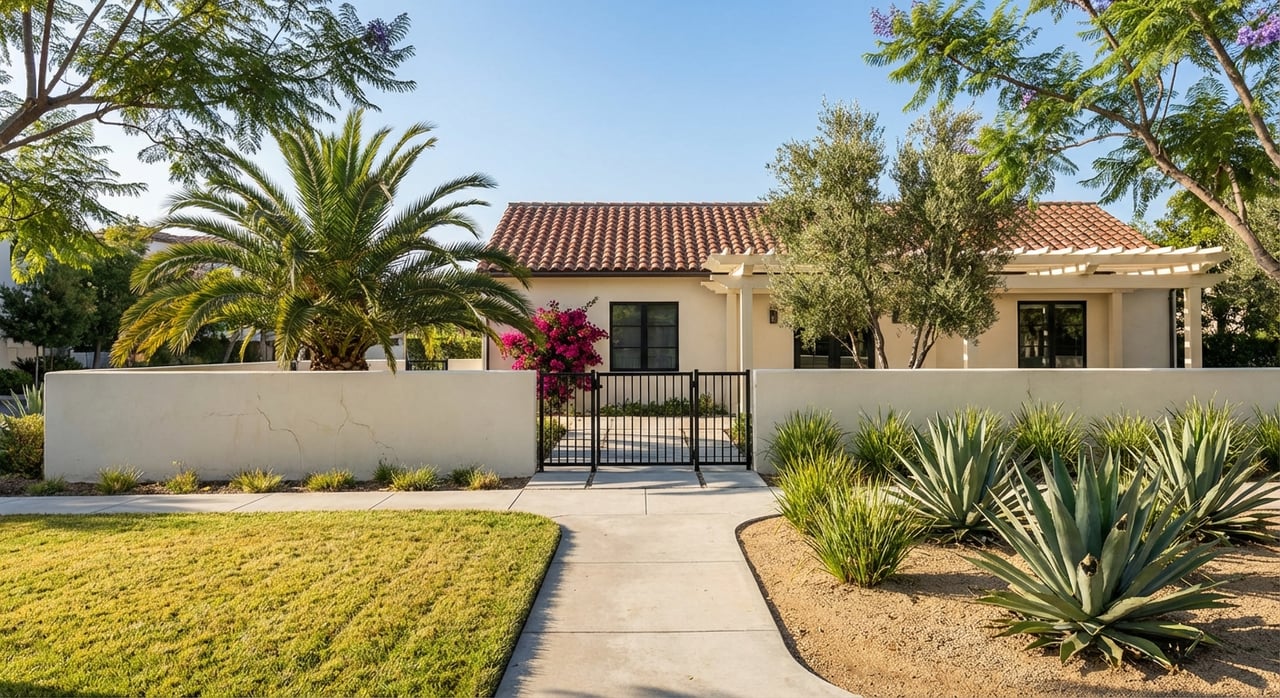
Trying to make sense of Valencia’s many “villages” so you can choose the right place to live? You are not alone. Valencia blends long‑established neighborhoods with a new wave of mixed‑use villages, and each offers a different rhythm of daily life. In this guide, you will learn how the main village types compare for walkability, outdoor space, amenities, and commute routines, plus a simple checklist to narrow your shortlist with confidence. Let’s dive in.
Valencia in the Santa Clarita Valley is a master‑planned community made up of multiple residential villages. You will find both original Valencia tracts and a large new master plan known as Valencia by FivePoint, which is adding mixed‑use, walkable neighborhoods with parks and paseos. You can preview the developer’s active and planned neighborhoods on the FivePoint overview page for Valencia neighborhoods.
Village names sometimes overlap informal boundaries. Some areas locals call “Valencia” sit just outside Santa Clarita city limits, while some addresses with “Valencia” sit near Saugus or Stevenson Ranch. If exact boundaries matter for you, cross‑reference the list of Valencia residential villages with a parcel map before you decide.
One of Valencia’s defining features is its interconnected trail and paseo network. Many neighborhoods link to parks, schools, and shopping through off‑street paths. That makes daily errands on foot or bike more practical in select areas. Review the city’s trails and paseo overview as you evaluate listings.
Use this quick approach to focus your search:
If you want the most walkable lifestyle in Valencia, aim near the regional hub around Valencia Town Center and the new FivePoint villages like Confluence. You will mostly see condos, stacked flats, and townhomes with smaller private outdoor areas. Many buildings sit steps from dining, entertainment, and groceries.
HOAs here tend to focus on shared areas and exterior upkeep, with some new villages adding recreation centers and pools. Daily living is about short on‑foot errands and quick access to the paseo network. For commutes outside the valley, most residents still drive, but transit options are within a shorter reach from this core.
How to evaluate it:
Lakeside communities like Bridgeport and Lakeshore are known for pedestrian paths along the water, a clubhouse and pool, and quick access to neighborhood retail. Homes range from townhomes to single‑family properties that orient to the lake and greenbelts. This setup delivers resort‑style common spaces and a calm, scenic feel for daily walks.
Expect mid to larger HOAs that maintain the lake, paths, and shared facilities. Always review CC&Rs for rules around boating or lake access and whether your tract has layered associations. Shopping is often close enough for quick errands without crossing major arterials.
How to evaluate it:
Established neighborhoods such as Old Orchard, the Meadows, the Summit, and parts of the Fairways offer single‑family homes on mature streets with private backyards and paseo connections. Floor plans range from cottage‑style to larger family layouts. The appeal is classic suburban living with easy park access and space to spread out.
HOAs in older tracts are often modest, focused on greenbelts and small pools. Newer nearby developments may raise amenity levels and dues. If you are comparing monthly costs, check for any active or expired Mello‑Roos obligations.
How to evaluate it:
Areas like Westridge, The Oaks, and tracts near Valencia Country Club lean into larger, often semi‑custom homes with scenic views and gated entries. Streets feel quieter and more private, with a higher emphasis on outdoor living at home. Some neighborhoods also offer proximity to golf, from private clubs to public options such as the Vista Valencia Golf Course.
Clarify fees early. HOA dues cover community elements, while private golf or club memberships are typically separate and optional. Daily errands here usually involve short drives, so focus on commute routes and quick‑errand access before committing.
How to evaluate it:
Parts of Northpark, Villa Metro, and several newer FivePoint neighborhoods are designed for lower‑maintenance living with good connections to transit. Product types include townhomes, stacked flats, and condos. Some of the new villages are planned around future mixed‑use hubs and transit connections.
If you plan to use rail, focus on your door‑to‑station routine. Santa Clarita is served by multiple Metrolink stations, including Santa Clarita, Newhall, and Via Princessa, and the area also features the Vista Canyon Multi‑Modal Center. Do not assume every tract has easy rail access. Map it.
How to evaluate it:
HOA scope varies widely. Older tracts might fund greenbelts and smaller pools, while newer master‑plan villages can include larger recreation centers and programs that raise dues. For condos and townhomes, it is common to see dues in the low to mid hundreds monthly, but amounts depend on age, amenities, and building systems. Always request CC&Rs, the reserve study, current budget, and special assessment history.
Valencia’s trail and paseo network connects many neighborhoods to parks, schools, and shopping. It is a daily lifestyle advantage where available. Review the city’s trails and paseo overview and trace how a listing connects to those paths. If a park is a priority, identify your closest pocket park and the safest route on foot or bike.
Valencia Town Center anchors regional shopping and dining. Town Center‑adjacent and lakeside neighborhoods often offer short walks to coffee, groceries, and restaurants. Most other tracts rely on quick drives to neighborhood centers for everyday needs.
Most residents drive for daily travel. As a baseline, the U.S. Census lists a mean travel time to work for Santa Clarita of about 34 minutes. Use that as a reminder to test your own door‑to‑door timing. If you plan to ride rail, check schedules and parking at the Santa Clarita Metrolink station or the station you will use most.
Some tracts sit near I‑5 and the Magic Mountain area. If you are sensitive to traffic or event noise, visit prospective streets at different times, including weekends and evenings. The Valencia, California overview is a good starting point for orienting yourself to major corridors.
Hillside and edge‑of‑open‑space tracts may sit in mapped Fire Hazard Severity Zones. The city has been reviewing CalFire maps and policies, which shape building and landscaping requirements. You can read a recent city report summary on local fire‑hazard mapping. For flood context, Valencia is traversed by the Santa Clara River, with ongoing watershed planning. Learn more from the region’s Santa Clara River watershed summary. For any river‑adjacent or low‑lying parcels, add a FEMA flood map lookup to your checklist.
Use these starting points, then walk and drive each area to confirm the fit.
Bring this list on your neighborhood tours:
Ready to narrow your shortlist to two or three villages that fit your lifestyle, budget, and commute? Our team guides you through on‑the‑ground walks, HOA and hazard due diligence, and side‑by‑side comparisons so your decision feels simple and confident. To start a tailored Valencia search, schedule a consultation with Lorraine Cruz.


Whether you're in the research phase at the beginning of your real estate search or you know exactly what you're looking for, you'll benefit from having a real estate professional by your side. She'd be honored to put her real estate experience to work for you.