Where Beverly Hills Actually Eats Now That Rodeo Drive Belongs to the Tourists
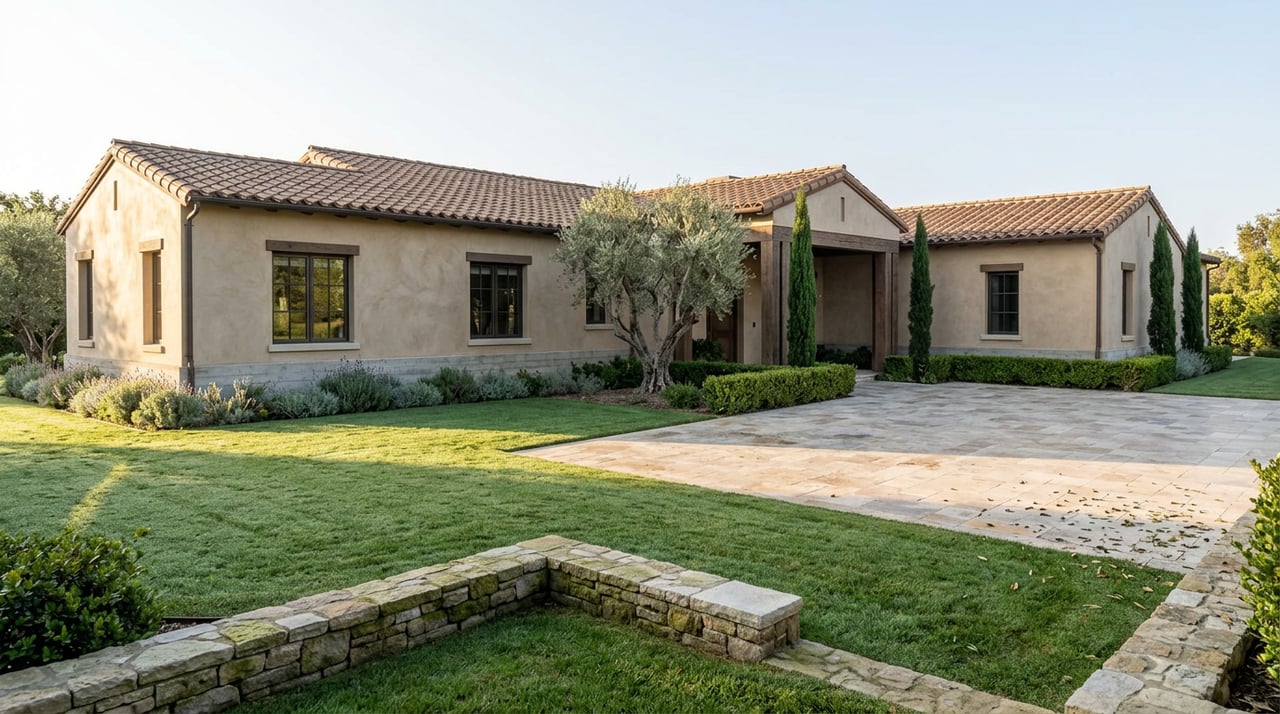
Ask a longtime Beverly Hills resident where they had dinner last week, and Rodeo Drive rarely comes up. The answer is more likely to be one block over, on Canon Drive, where a restaurant corridor has been quietly reshuffling itself for two years while the world's attention stayed fixed on the boutiques next door.
That split matters more this year than most. Beverly Hills is heading into what the city's own tourism office has called a milestone year, with the 2026 FIFA World Cup and the 100th anniversary of Route 66 both drawing international visitors toward the Golden Triangle. Cartier is unveiling a three-story boutique on Rodeo. Louis Vuitton is building a 45,000-square-foot flagship designed by Frank Gehry. Bvlgari is expanding its space. Julie Wagner, CEO of the Beverly Hills Conference & Visitors Bureau, described it as "significant momentum for Beverly Hills, marked by on-going re-investment into our hotels."
None of that is bad news for the city. But it does mean Rodeo Drive in 2026 is doing double duty as a global stage, and residents who have lived through past tourist waves already know what that means for a Saturday afternoon errand. The interesting story isn't what's happening on Rodeo. It's where everyone who actually lives here has moved instead.
Canon Drive runs parallel to Rodeo, one block east, and it has become the place where Beverly Hills' restaurant scene has done almost all of its churning over the past two years. Bad Roman took over the former Palm space on Canon this year, bringing the same theatrical Italian-American menu that made the New York original a hit. A few doors down, Azur arrived as a French-Mediterranean restaurant and lounge, trading the stuffiness of a typical Beverly Hills dining room for something looser and later-running.
The turnover has been fast enough that it's already produced a second generation of openings and closings within the same year. The supper-club-style 88 Club, from Top Chef winner Mei Lin, closed and reopened within months as Tiger Tiger, a swankier Chinese spot from a former Jiang Nan Spring chef, now serving mapo tofu and a $50 lobster dish that, as one food writer put it, counts as reasonable by Beverly Hills standards.
A few blocks south, Brothers Sushi opened its most ambitious location yet inside Beverly Hills, complete with dry-aging chambers on display and a marble sushi bar running a $160 omakase with A5 wagyu sliders. And inside the Sixty Beverly Hills hotel, the pita chain Miznon opened Malka, a fully kosher, more upscale sibling concept serving chicken schnitzel stuffed with marrow mashed potatoes.
None of this is happening on Rodeo. It's happening on the street that residents actually walk down after parking near the Civic Center or stepping out of the Maybourne. Rooftop dining tells the same story. Dante, from New York hospitality duo Linden Pride and Nathalie Hudson, opened atop the Maybourne this year with an Italian and Mediterranean menu built for a long afternoon of drinking by the pool. Gemma, helmed by chef Peleg Miron, opened twelve stories above the city atop the Waldorf Astoria, mixing dim sum with California-inspired Pan-Asian cooking and sweeping views that have nothing to do with Rodeo's storefronts.
Marea Beverly Hills, the first West Coast outpost of the acclaimed New York restaurant, and Avra, an 11,000-square-foot Greek seafood house styled like an open-air villa, both landed within walking distance of Canon rather than fronting the boutique strip itself. Even Nate N' Al's, the deli that has anchored Beverly Hills breakfast tables for generations, is relocating within the same few blocks rather than leaving the neighborhood.
What makes Canon different from Rodeo isn't just the restaurant count. It's the geography. Beverly Cañon Gardens sits directly behind the restaurant row, close enough that a table on the patio and a bench in the park are a five-minute walk apart. That proximity is why the summer concert series that ran there through August, pairing an evening lawn concert with a pre-show dinner reservation on Canon, worked as a genuine weekly habit rather than a special occasion. The lawn sits close enough to the Montage that guests at the hotel bar can hear the music, but it's residents who claim the grass.
The same four or five blocks also hold the Beverly Hills Farmers' Market, which runs every Sunday from 8 a.m. to 1 p.m. on Civic Center Drive regardless of weather, with free two-hour parking in the adjacent garage. It isn't a seasonal pop-up. The market runs the Kid Zone on the third Sunday of each month and a Cookin' Kids workshop on the second Sunday, giving the calendar a rhythm that residents can plan around without checking a website first.
| Recurring event | When | Where |
|---|---|---|
| Farmers' Market | Every Sunday, 8 a.m. to 1 p.m. | Civic Center Drive |
| Cookin' Kids workshop | Second Sunday of the month | Farmers' Market grounds |
| Kid Zone | Third Sunday of the month | Farmers' Market grounds |
That's the pattern underneath the restaurant openings. Beverly Hills isn't spreading its daily life across the whole city. It's concentrating it into a walkable pocket east of Rodeo, one that happens to sit outside the direct path of the tourist traffic building toward next summer's World Cup crowds.
The clearest sign that this pattern predates the current restaurant wave is the Beverly Hills Art Show, known as Affaire in the Gardens, which has run every May and October since 1973. The fall edition returns to Beverly Gardens Park this October, spanning four blocks between Rodeo Drive and Rexford Drive with roughly 250 exhibiting artists, a wine and beer garden, and free admission. It's a fixture that has outlasted several restaurant cycles on Canon, and its footprint sits squarely inside the same corridor that's now drawing the neighborhood's dinner reservations.
For residents who've watched the spring edition come and go without much fuss, the October show is worth marking differently this year. It lands in the same stretch of park that borders the busiest restaurant turnover Beverly Hills has seen in a decade, which means a Saturday afternoon at the art show now pairs naturally with dinner a block away rather than requiring a separate trip across town.
None of this changes what Beverly Hills is. It changes where the daily version of it happens. Rodeo Drive is doing exactly what a global luxury corridor is supposed to do this year, pulling in visitors ahead of the World Cup and hosting the kind of flagship openings that make international news. Canon Drive, one block over, is doing something quieter: absorbing nearly every restaurant opening, closing, and reopening that residents actually use, all within a radius short enough to walk without circling for parking twice.
If you already live here, the useful takeaway isn't a recommendation to try Bad Roman or book the Gemma rooftop, though both are worth doing. It's that the map you use for a normal week and the map a visitor uses this year are no longer the same map. Planning around Canon instead of Rodeo, at least until the World Cup crowds thin out, is the difference between a five-minute walk to dinner and fighting traffic for a table you could have had closer to home.
Beverly Hills residents thinking about how neighborhood shifts like this affect the value and livability of a specific block, whether that's proximity to the Canon corridor, the Farmers' Market, or Beverly Gardens Park, are welcome to talk it through with Kramer Cruz Group. Schedule a consultation and get a read on the neighborhood that goes beyond the tourist map.


Whether you're in the research phase at the beginning of your real estate search or you know exactly what you're looking for, you'll benefit from having a real estate professional by your side. She'd be honored to put her real estate experience to work for you.