West Hollywood Condo vs House: How to Choose
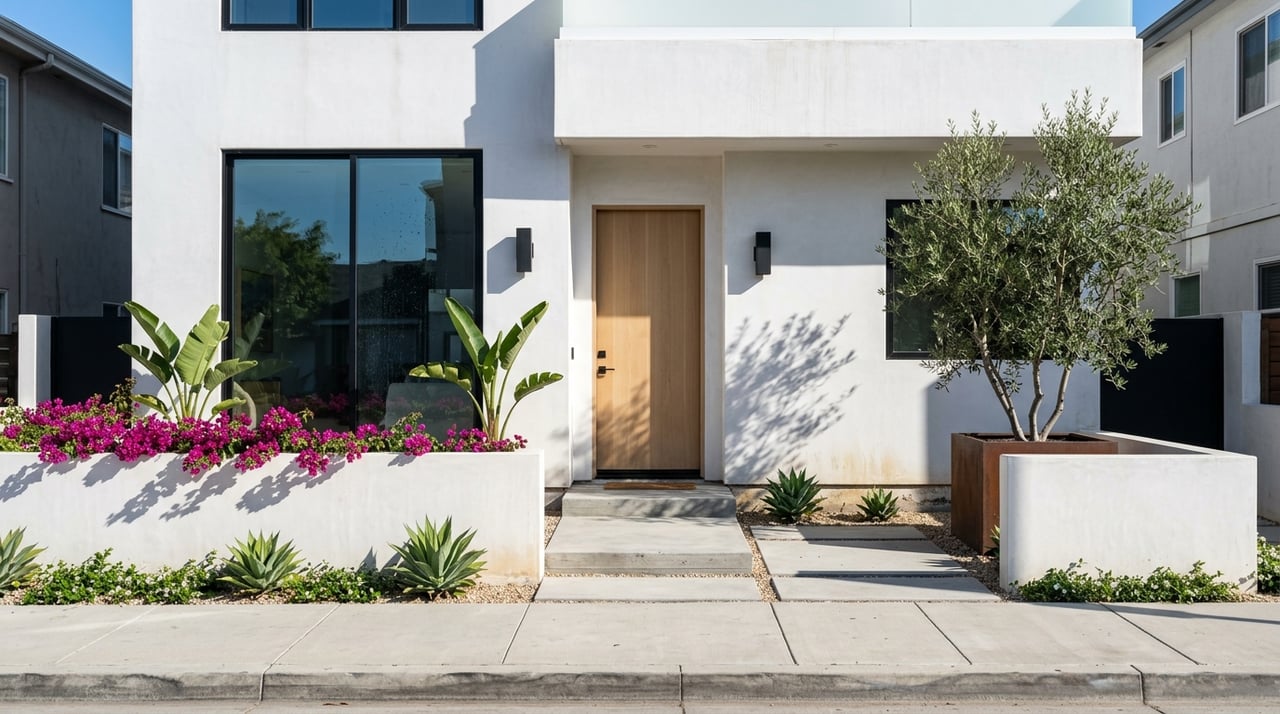
Choosing between a condo and a small house in West Hollywood can feel harder than it should. You may love the idea of a private yard and more control, but also want a simpler lifestyle close to restaurants, parks, and daily essentials. The good news is that once you understand how West Hollywood’s housing stock actually works, the decision gets much clearer. Let’s dive in.
West Hollywood is not a typical detached-home market. According to the City, 64% of residents live in apartments, and four out of five housing units are in large multi-family buildings. That means if you want to live in this part of Central LA, condos and other attached housing types will make up a large share of what you see.
That local context matters because your choice is often not just about square footage. It is about how you want to live day to day. In West Hollywood, many buyers are weighing location, walkability, and convenience against privacy, outdoor control, and long-term flexibility.
The City’s planning vision also supports a walkable lifestyle, with daily needs like grocery stores, pharmacies, restaurants, libraries, and parks intended to be reachable from home. If that routine sounds appealing, condo living may fit naturally. If you want more separation and control, a small house may still be worth the hunt in a more limited inventory pool.
A condo can offer a lower-maintenance lifestyle, but it comes with shared ownership and shared rules. In California, condo owners own their individual unit plus an interest in common areas, and ownership includes membership in the homeowners association, or HOA. That HOA maintains shared areas, collects dues, and enforces the community’s governing rules.
For many buyers, that trade-off works well. You may spend less time managing exterior upkeep and building systems, and more time enjoying the location. In a dense, service-rich area like West Hollywood, that can be a major advantage.
Still, condo ownership is not hands-off. HOA dues are usually separate from your mortgage payment, and they can range from a few hundred dollars to more than $1,000 per month depending on the building, age, condition, and amenities. You also need to understand what the HOA covers, what it does not, and whether the building is financially prepared for future repairs.
A small house usually gives you more privacy and more control over the property. You are less likely to deal with HOA restrictions, and you may have more say over how you use your outdoor space. For buyers who want independence, that can be the deciding factor.
That said, more control also means more responsibility. Maintenance, repairs, and long-term planning fall more directly on you. In West Hollywood, where about 93% of the housing stock is at least 30 years old, that can mean paying close attention to roofs, plumbing, electrical systems, and other aging components.
A small house may also offer more future flexibility. On qualifying single-family lots, West Hollywood says owners can add certain ADU and JADU combinations, and ADUs created after January 1, 2020 are not subject to an owner-occupancy requirement. If you are thinking about future guest space, work space, or income-oriented use, that possibility can be meaningful.
The local housing mix can blur the line between these choices. West Hollywood includes historic low-rise buildings, condo communities, townhome-style properties, and limited pockets of detached homes. That is why it helps to look beyond listing photos and focus on the legal structure and ownership responsibilities.
West Hollywood has a strong architectural story, including courtyard housing from the 1920s and 1930s. These properties often appeal to buyers who want charm, shared outdoor space, and a more intimate scale. They can feel more personal than a larger building, but older systems and less turnkey convenience are common concerns.
Townhome-style properties can be a smart middle ground. They often give you a private entry and more separation than a flat-style condo, while still operating under HOA governance. In California, though, a townhome is an architectural style, not a legal ownership category, so it is important to confirm whether a property is legally a condo or another type of common-interest development.
Detached homes do exist in West Hollywood, but they are limited and highly specific to certain areas. The City describes Norma Triangle as a small 173-parcel single-family neighborhood, and West Hollywood West has planning protections shaped by redevelopment pressure. In practical terms, finding a small house here may require more patience and a clear understanding of your priorities.
Before you tour, compare the full monthly carrying cost, not just the purchase price. A condo may have a lower entry price than a house, but the monthly cost can change quickly once HOA dues are added. A house may avoid HOA fees, but your budget still needs room for maintenance, insurance, taxes, and future repairs.
A simple side-by-side review can help:
| Cost Category | Condo | Small House |
|---|---|---|
| Mortgage | Yes | Yes |
| Property taxes | Yes | Yes |
| Insurance | Unit-owner policy plus HOA master coverage structure | Homeowner policy |
| HOA dues | Usually yes | Usually no |
| Exterior maintenance | Often shared through HOA | Usually owner responsibility |
| Reserve funding impact | Important to review through HOA documents | Self-funded by owner |
This is where many buyers get clarity. If predictable upkeep matters most, a condo may feel easier to manage. If control matters more than convenience, a small house may still be the better fit even if the responsibilities are greater.
Because most of West Hollywood’s housing stock is older, age should be part of your decision either way. The City notes that about 93% of housing is at least 30 years old. That makes maintenance history, system age, and upcoming capital work especially important.
West Hollywood also has a mandatory seismic retrofit program, so older condos and older houses should raise practical questions. You will want to understand whether required work has been completed, whether costs have already been paid, and whether future upgrades are expected. In condos, that often ties back to reserve strength and special-assessment risk.
If you lean toward a condo, document review is one of the most important parts of the process. California law requires sellers in these communities to provide governing documents, assessment information, statements about rental restrictions, recent board minutes upon request, and the most recent inspection report. These materials can tell you far more than the listing description ever will.
Focus on what the paperwork says about both lifestyle and financial health. A beautiful unit in a poorly managed building can become more expensive and more stressful than expected. A well-run HOA with solid reserves and clear maintenance planning can make condo ownership feel much more stable.
Insurance works differently for condos and houses, and that difference can affect both cost and risk. The California Department of Insurance says condominium unit-owner policies typically cover personal property, loss of use, liability, and interior items or improvements the owner is responsible for. The association generally insures the building structure and common areas.
That split means you should not assume the HOA policy covers everything that matters to you. You will want to confirm deductibles, unit responsibility, and any earthquake-related gaps. With a small house, the insurance structure is usually more straightforward, but you carry more direct responsibility for the property as a whole.
If you are still torn, start with your real lifestyle instead of the ideal version in your head. Your best fit usually comes down to which trade-offs you are happiest to live with for the next several years.
In West Hollywood, neither option is automatically better. The better choice is the one that matches how you want to spend your time, what costs you are comfortable carrying, and how much flexibility you want down the road.
If you want help comparing specific properties in West Hollywood or understanding the real monthly cost behind the list price, Lorraine Cruz can guide you through the trade-offs with a clear, relationship-first approach.


Whether you're in the research phase at the beginning of your real estate search or you know exactly what you're looking for, you'll benefit from having a real estate professional by your side. She'd be honored to put her real estate experience to work for you.