Beverly Hills Flats vs Hills: Find Your Best Fit
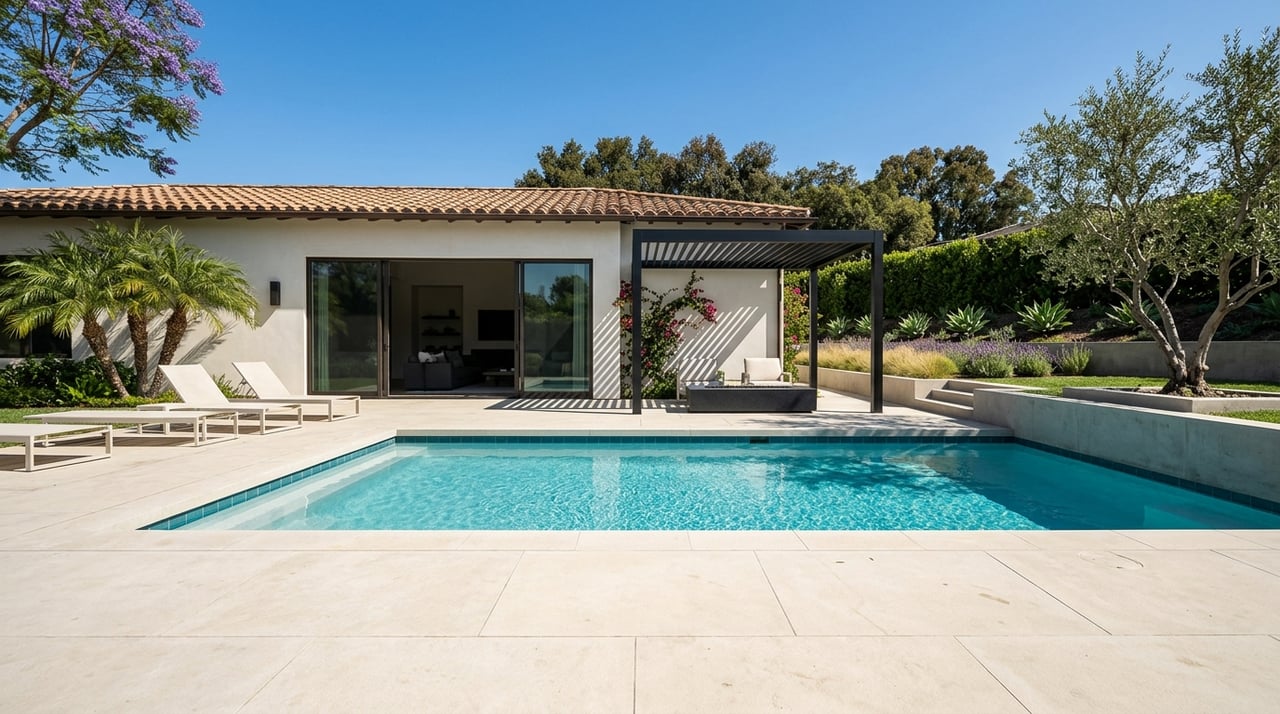
Wondering whether Beverly Hills living feels better in the Flats or the Hills? It is a smart question, because in a city that covers just 5.7 square miles, your day-to-day experience can change a lot based on terrain, street layout, and how you like to move through your routine. If you are weighing privacy, convenience, views, walkability, or ease of access, this guide will help you compare the two and decide which setting fits your lifestyle best. Let’s dive in.
In everyday real estate conversation, people often say “the Flats” and “the Hills” to describe two very different living experiences in Beverly Hills. The city itself officially uses terms like Central Area, Hillside Area, and Trousdale Estates, so “Flats” is more market shorthand than a formal city designation.
That distinction matters because the final authority for any specific property is the city’s zoning map. Still, as a practical way to think about lifestyle, the comparison is useful: the Flats generally align with the more regular, flatter central part of the city, while the Hills refer to the sloped, more winding residential areas above it.
The Flats, or the area commonly associated with the Central Area, tend to have a more regular development pattern. The city describes this part of Beverly Hills as having flat topography and more standardized lot shapes and sizes.
That usually creates a more orderly street rhythm. Homes often relate closely to one another from the curb, and the block-by-block feel can come across as more consistent and easier to read.
South of Santa Monica Boulevard, the character shifts a bit more urban. The city notes that this side leans more toward government offices, businesses, apartment buildings, and smaller residential lots.
The Hillside Area offers a very different setting. The city describes it as having irregularly shaped and sized lots on meandering, sloped streets with variable widths.
In everyday terms, that often means a more topography-driven experience. Streets curve more, elevation changes are part of daily life, and homes can feel more individualized because the land itself shapes how they sit and how they are approached.
If you are drawn to a sense of separation, varied outlooks, and a more custom feel, the Hills may speak to you right away. The tradeoff is that the terrain can make simple routines, from parking to walking to driving, feel less straightforward than they do in the flatter center.
For many buyers, this is where the biggest difference shows up. Beverly Hills’ civic and commercial core is concentrated in the flatter central area, including the Golden Triangle, which is bounded by Santa Monica Boulevard, Wilshire Boulevard, and North Crescent Drive.
That same part of the city includes landmarks and practical stops like City Hall and the Beverly Hills Public Library on Rexford Drive. The city also operates 19 parking facilities, with several clustered around Rexford, Crescent, Beverly Drive, Cañon, Rodeo/Brighton, Bedford, and La Cienega.
If you like being able to reach shops, services, dining, and civic destinations with fewer logistics, the Flats often make that easier. The shorter and flatter routes can support a smoother everyday rhythm, especially if you enjoy fitting errands into a busy day.
Beverly Hills has been working to support walking, biking, and transit through its Complete Streets planning. That city effort reflects a broader push to move beyond a fully auto-dominated model.
Transit access is also changing. The Wilshire/La Cienega Metro station opened on May 8, 2026, and a Beverly Drive station is planned for spring 2027.
For lifestyle planning, that supports a common-sense takeaway: flatter central pockets are generally easier for walking and better positioned for access to these amenities. Hillside living usually remains more car-reliant, simply because slope, street layout, and distance from the central core make quick on-foot trips less practical.
Lot shape affects more than site plans. It also influences how a neighborhood feels and what kinds of homes tend to fit naturally on a street.
In the Central Area, more standardized lot sizes and widths help create a more consistent streetscape. The city’s single-family style guidance highlights how lot width matters in Beverly Hills, noting that certain traditional architectural styles fit better on narrower lots, especially in areas south of Santa Monica Boulevard.
The city’s style guide includes a wide architectural range, from American Colonial and Tudor to Spanish Mission Revival, Monterey, Moderne, International Style, and Post-Modern. In the Flats, that variety often plays out within a stronger curb-appeal conversation because homes are viewed in a more direct street-wall context.
In the Hills, architecture often feels more site-specific. While that is shaped by the city’s descriptions of terrain and lot irregularity rather than one quoted rule, it helps explain why hillside homes can feel more custom and less uniform from one property to the next.
Lifestyle fit also includes what ownership may involve after you move in. In Beverly Hills, the Central Area and Hillside Area are not treated exactly the same when it comes to property changes.
In the Central Area, exterior changes visible from the street are subject to the city’s Design Review process. That can matter if you want to update a facade or make changes that affect the street-facing appearance of the home.
In the Hillside Area, there is no design review in the same way, but there are rules tied to landform alteration and view preservation. If you are considering a hillside property, these factors can be especially important when you think about future renovations or site work.
If privacy is high on your list, the Hills often have an edge in how they feel. Sloped streets, varied lot shapes, and elevation changes can create more visual separation between homes.
Views can also become part of the appeal, depending on a property’s orientation and position on the hillside. While every home is different, many buyers are drawn to the sense that hillside living feels more removed from the city’s commercial energy.
The Flats, by contrast, often appeal to buyers who value classic street presence and a more connected neighborhood rhythm. You may trade some separation for easier access, more predictable blocks, and a stronger relationship to the city’s central amenities.
Hillside living comes with practical responsibilities that deserve real attention. Beverly Hills’ wildfire materials identify elevated risk near open space, hillside neighborhoods, and heavily landscaped areas.
The city also uses Red Flag no-parking rules on certain streets because they serve as evacuation routes or are too narrow for fire apparatus and resident traffic during wildfire conditions. The city’s wildfire severity mapping further identifies evacuation routes and very high wildfire severity zones.
For a buyer, that means hillside ownership may involve more focus on emergency planning, parking restrictions, defensible space, and understanding how you would leave the area during a wildfire event. For some buyers, that is a manageable part of the package. For others, it is a reason to lean toward the Flats.
The Flats often work well for buyers who want a smoother daily routine. You may prefer this part of Beverly Hills if your priorities include:
This setting can be especially appealing if you like convenience built into your week. It can also suit buyers who want Beverly Hills living without organizing daily life around hillside terrain.
The Hills often fit buyers who are willing to trade some convenience for a different kind of setting. You may prefer the Hills if your priorities include:
For the right buyer, those tradeoffs are not drawbacks. They are exactly the point.
When you compare Beverly Hills Flats vs Hills, the best choice usually comes down to how you want your everyday life to feel. If you want easier errands, flatter routes, and a more central pattern of living, the Flats may be the better fit. If you want privacy, varied terrain, and a more custom hillside setting, the Hills may align more closely with your lifestyle.
Because “Flats” is not the city’s formal legal designation, it is always smart to verify a property’s exact area and rules through the official city zoning framework. That property-level clarity can help you avoid surprises and make a decision that fits both your goals and your comfort level.
If you are exploring Beverly Hills and want a thoughtful, high-touch perspective on which pocket fits your needs, Lorraine Cruz can help you compare options with local insight and a personalized strategy.


Whether you're in the research phase at the beginning of your real estate search or you know exactly what you're looking for, you'll benefit from having a real estate professional by your side. She'd be honored to put her real estate experience to work for you.