Everyday Living in West Hollywood CA Explained
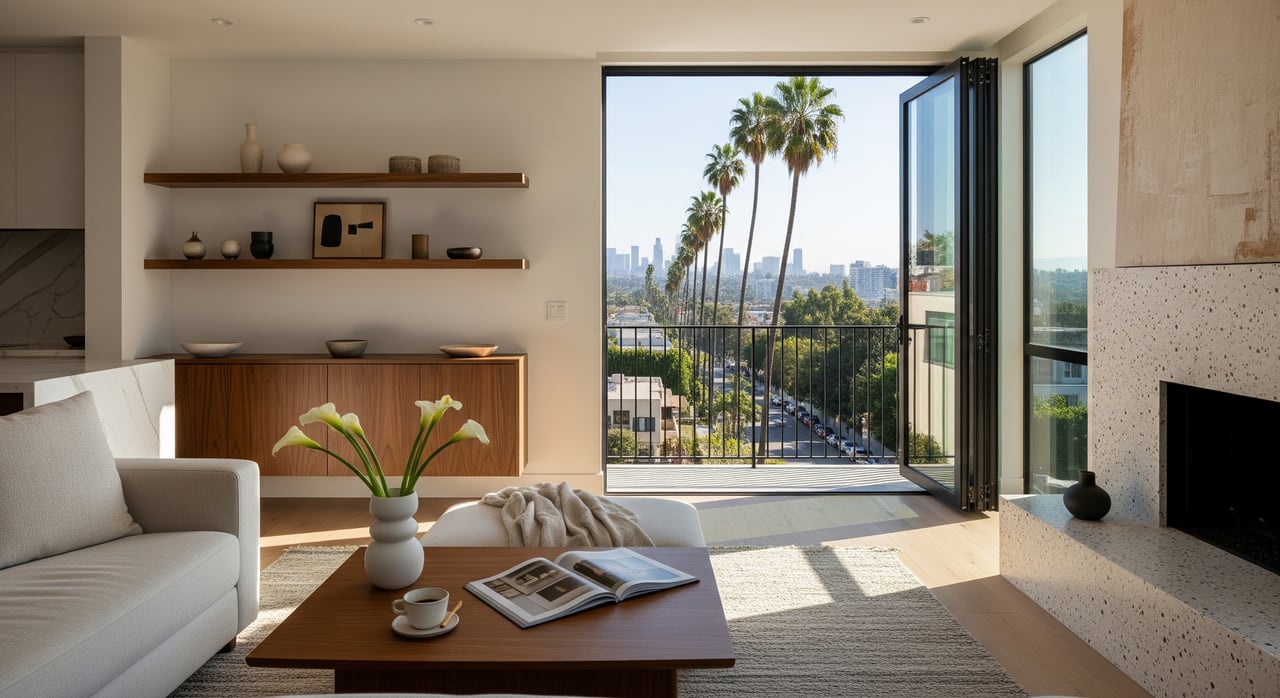
Curious what your day would actually feel like in West Hollywood? In this compact, independent city in central Los Angeles, your coffee run might be a two-block stroll and dinner plans often start with a reservation. Whether you want walkable convenience, a lively social calendar, or a quieter side street near the action, here is a clear picture of daily life. You will see morning routines, mobility options, housing realities, and how to pick the right block for your lifestyle. Let’s dive in.
Start your morning with a short walk along Santa Monica Boulevard or Melrose Avenue for coffee and a quick bite. You will see dog walkers, boutique fitness classes starting on the hour, and sidewalk patios filling up. In residential pockets just off the main corridors, streets feel calmer.
Midday brings shopping and creative businesses in the West Hollywood Design District and along Robertson Boulevard. Lunch is easy to grab nearby, and errands are often within a few blocks, so you can stay out of the car.
Evenings are when the city flips the switch. Restaurants get busy, and nightlife clusters light up on the Sunset Strip and around Santa Monica Boulevard. Some blocks are lively late into the night, while nearby residential side streets are generally quieter.
You have options at every price point, from quick-service counters to upscale dining. Weekdays lean practical, with neighborhood cafés, lunch spots, and takeout. Weekends lean social, with patio brunches and dinner that often benefits from a reservation.
Sidewalk seating is part of the culture. If you enjoy people-watching, plan for a table along Santa Monica Boulevard or Melrose. If you prefer a quieter bite, you will find cafés tucked just off the main corridors.
Boutique fitness is everywhere. You will find yoga, Pilates, spin, boxing, and HIIT studios in close reach, plus premium gyms like Equinox nearby. Many residents build a short class into their morning routine before work.
If you prefer the outdoors, neighborhood walks are easy, and Runyon Canyon is a short trip from the northern edge of the city. Wellness retail, spas, and specialty providers are common, so staying on a health routine is straightforward.
West Hollywood Park serves as a community hub with recreation facilities, an aquatic center, and public programming. It is a reliable spot for families, lap swimmers, and anyone who wants open green space in a dense city.
Plummer Park offers walking loops, space for casual recreation, and a regular farmers market. Scattered pocket parks and dog-friendly spots make it convenient to get quick fresh air without planning a full outing.
Daily needs are close by. Small markets, specialty grocers, salons, dry cleaners, and pet services are spread across the core corridors. If you live near Santa Monica Boulevard, La Cienega, or Fairfax, many errands are walkable.
For design lovers, the West Hollywood Design District and La Cienega Corridor offer showrooms and higher-end retail. Browsing and quick errands can fit into a lunch break or a late afternoon loop.
You can dial your evenings up or down. The Sunset Strip is known for live music venues and late-night clubs, while Santa Monica Boulevard and nearby blocks feature bars, lounges, and LGBTQ+ nightlife. You will also find casual neighborhood spots if you want a low-key night.
Noise varies by block. If you want action at your doorstep, choose near the main corridors. If you prefer quieter nights, look a few blocks off those streets and check the area at different times of day.
Expect a mix of mid-rise apartment and condo buildings, plus small-lot homes in limited pockets. Many buildings date to the mid-20th century, with renovated interiors and newer luxury infill sprinkled throughout. Courtyard-style buildings are part of the local character.
Costs are in the upper tiers for the region, reflecting central location and walkability. Large-lot single-family homes are limited, so most residents live in rental or condo buildings.
The city has longstanding rent stabilization and tenant protections that shape rent increases, evictions, and tenant rights. Short-term rentals are regulated, so hosting and availability follow local rules. Older buildings may have limited parking, while newer developments tend to include assigned spots and amenities like gyms or roof decks.
West Hollywood is one of the more walkable parts of the LA area. In core neighborhoods, you can reach cafés, restaurants, and errands on foot. Biking works for short trips, though bike infrastructure varies by corridor.
Buses are the primary public transit mode through the city, with frequent routes along Santa Monica Boulevard, Sunset Boulevard, and major north-south avenues. There are no Metro subway stations within city limits, so you use bus or rideshare to connect to nearby rail in adjacent areas.
If you drive to work, commute times depend on traffic and destination. Many residents own a car for cross-town trips, then rely on rideshare for nights out. Parking can be competitive near nightlife, so residents often use building parking, street permits, or ride-hail instead.
Location defines your day-to-day experience more than anything else. Living on or near Santa Monica Boulevard, the Sunset Strip, or Robertson puts you in the middle of the action, with easy access to dining and nightlife. Residential side streets a few blocks away feel calmer while still walkable.
When you tour, visit the block morning, midday, and late evening. Listen for nightlife spillover, check parking conditions, and note pedestrian traffic. This will help you match the buzz you want with the quiet you need.
West Hollywood’s civic life includes strong LGBTQ+ cultural institutions, a design-forward retail scene, and frequent public events. The social calendar is active, from parades to seasonal programming.
Families live here, and parks support that lifestyle, but the city’s density and nightlife create a different feel than a suburban enclave. Public schools are operated by LAUSD, and many households are singles or couples who value urban convenience.
Dogs are a common sight, with patios and services that make pet ownership easy. If you want an energetic neighborhood that still offers quiet on the right block, WeHo balances both.
Everyday living in West Hollywood blends walkable routines, creative energy, and a nightlife scene you can opt into or skip. Housing skews toward apartments and condos, with renter protections that shape the market and building amenities that vary by vintage. Getting around is a mix of walking, buses, rideshare, and selective driving, which keeps daily life flexible.
If you are thinking about buying, selling, or renting in West Hollywood, a local guide helps you match your lifestyle with the right block and building. For personalized advice, multilingual support, and a boutique experience backed by Compass, connect with Lorraine Cruz to start a conversation.
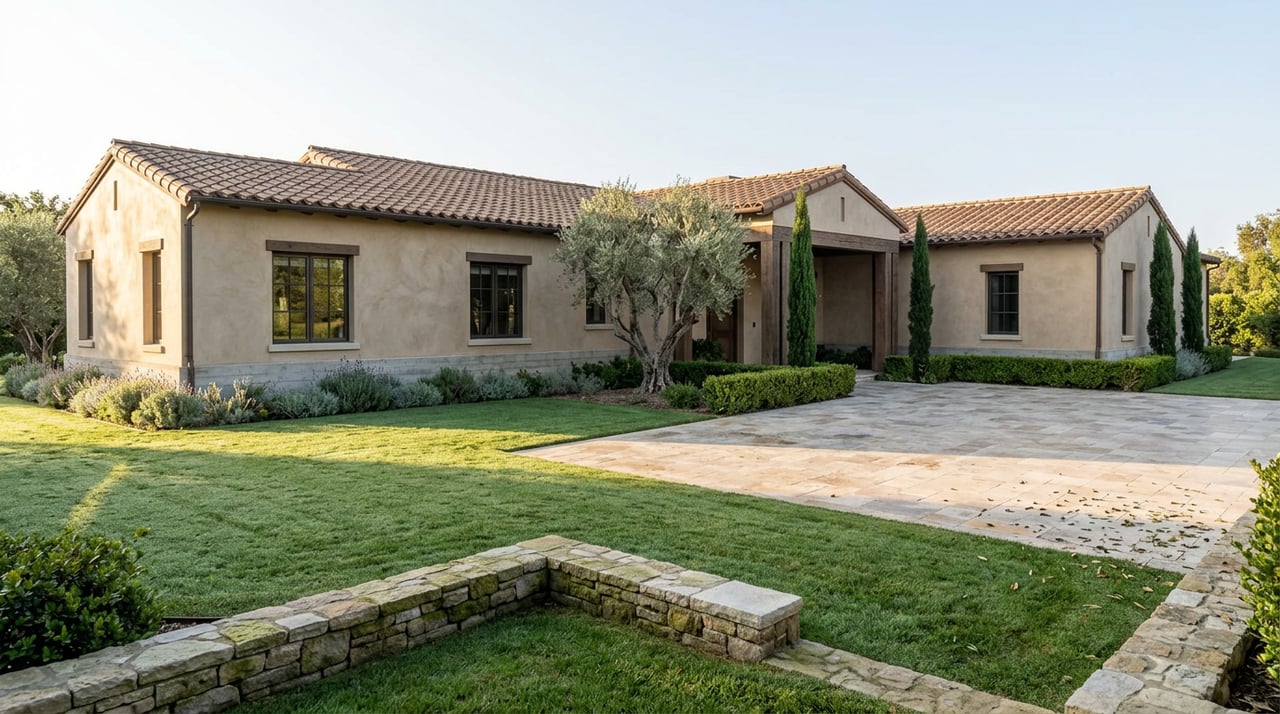


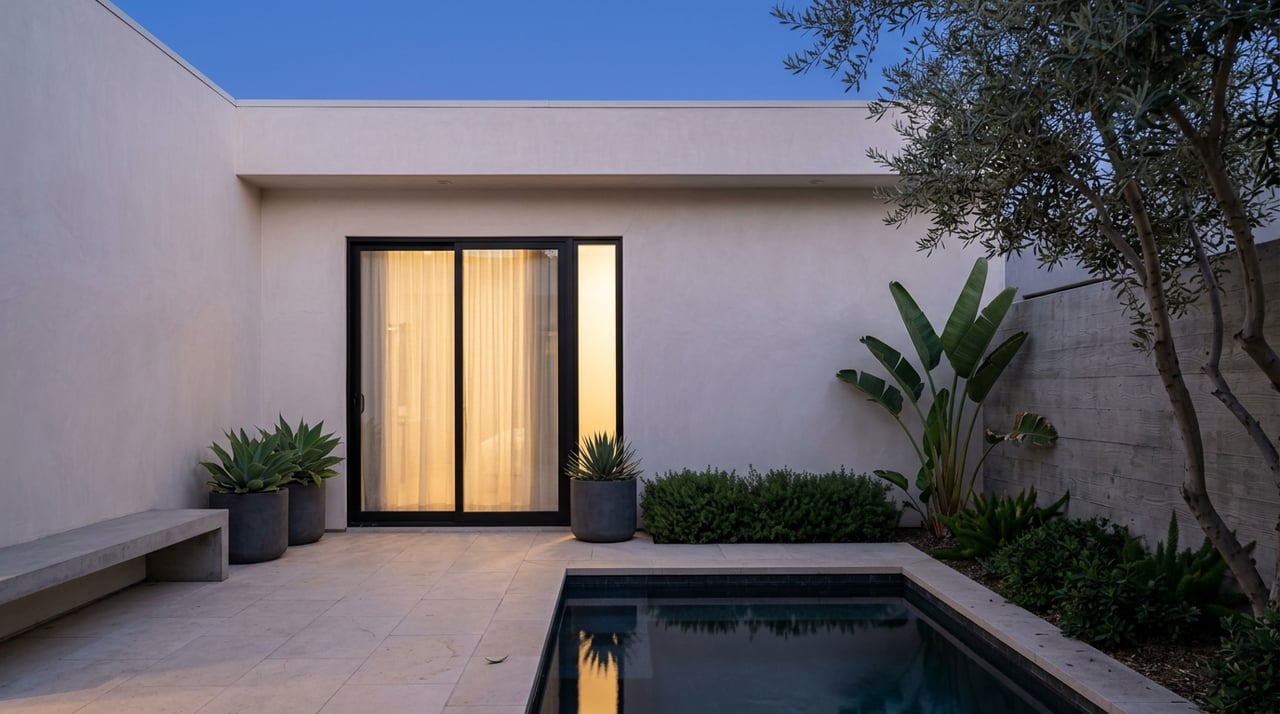
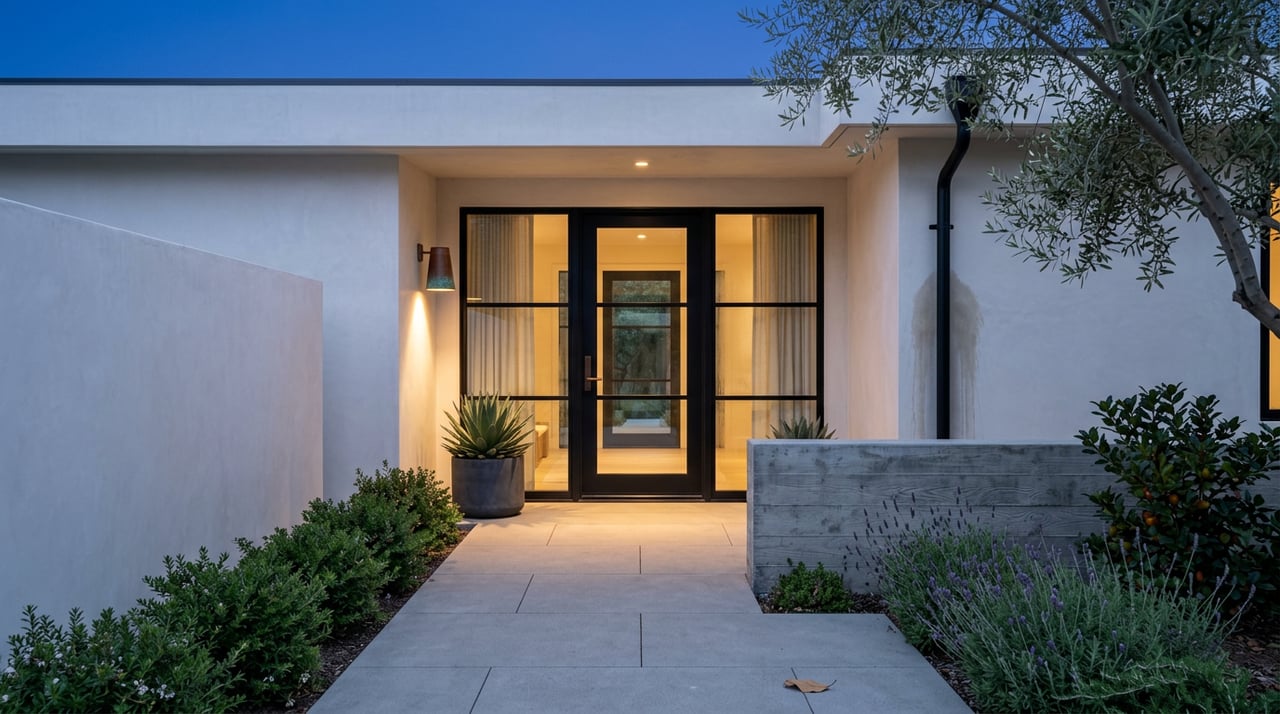
Whether you're in the research phase at the beginning of your real estate search or you know exactly what you're looking for, you'll benefit from having a real estate professional by your side. She'd be honored to put her real estate experience to work for you.