Thinking about selling your Santa Clarita home but not sure when to list? Timing can make a real difference in how fast you sell and what you net. You want a plan that fits your goals, not just the calendar. In this guide, you’ll learn the best seasons to sell, how to work backward from your ideal list date, and what to do if life’s timing isn’t “perfect.” Let’s dive in.
The quick answer
For most Santa Clarita sellers aiming for top dollar, late winter through spring is your sweet spot. Buyer activity picks up from February through June, homes tend to sell faster, and well-priced listings attract stronger offers. Summer remains active, while activity usually softens in fall and is slowest from late November through January.
That said, your goals, your home’s readiness, and current market signals matter just as much as the month you choose. If you need to sell at another time, a sharp pricing and marketing plan can still deliver a great result.
Seasonal breakdown in Santa Clarita
February to June: Strongest demand
- More buyers are out, and showings tend to increase.
- Days on market generally shorten when listings are priced and presented well.
- Multiple-offer scenarios are more likely when inventory is tight.
July to August: Still active
- Many buyers want to close before fall routines set in.
- Pricing remains firm, though urgency can be lower than spring.
- Flexible showings and thoughtful staging keep traffic strong.
September to November: Calmer but steady
- Fewer new listings means less competition for sellers.
- Well-prepared homes can stand out, especially in low-inventory pockets.
- Pricing accuracy and condition matter more as pace cools.
Late November to January: Slowest months
- Holidays and winter weather reduce buyer activity.
- If you list now, expect longer days on market on average, and plan a competitive price and strong digital marketing.
- The upside is less competing inventory and more serious buyers.
Start with your primary goal
Your goal should drive your timing and strategy.
Goal: Maximize sale price
- Target a late winter or spring list date if you can prepare in time.
- Invest in presentation: staging, lighting, landscaping, and professional photography.
- Use pricing that invites strong early interest and clean terms.
Goal: Minimize stress and sell quickly
- Late spring or early summer can balance demand with a predictable closing window.
- Keep preparation focused on high-impact cosmetic updates and repairs.
- Consider a pre-listing inspection to reduce renegotiations.
Goal: Work around a fixed timeline
- If you must list in fall or winter, lean on competitive pricing and online visibility.
- Offer flexible showing windows and consider attractive terms like a rent-back if needed.
Work backward from your ideal list date
Preparation is where you win. Most homes benefit from a 2 to 8 week prep window. Larger renovations can take 8 to 16 weeks or more.
2-week quick prep
- Deep clean and declutter key rooms.
- Touch up paint, replace dated bulbs and hardware.
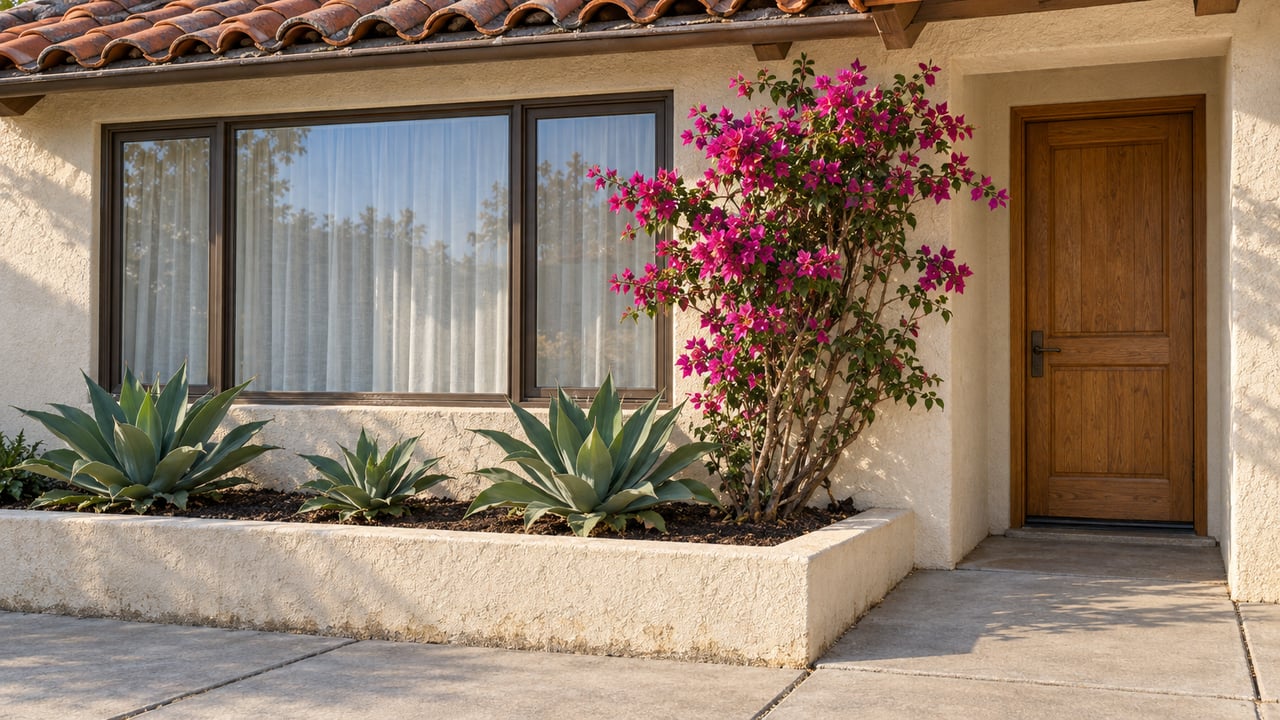
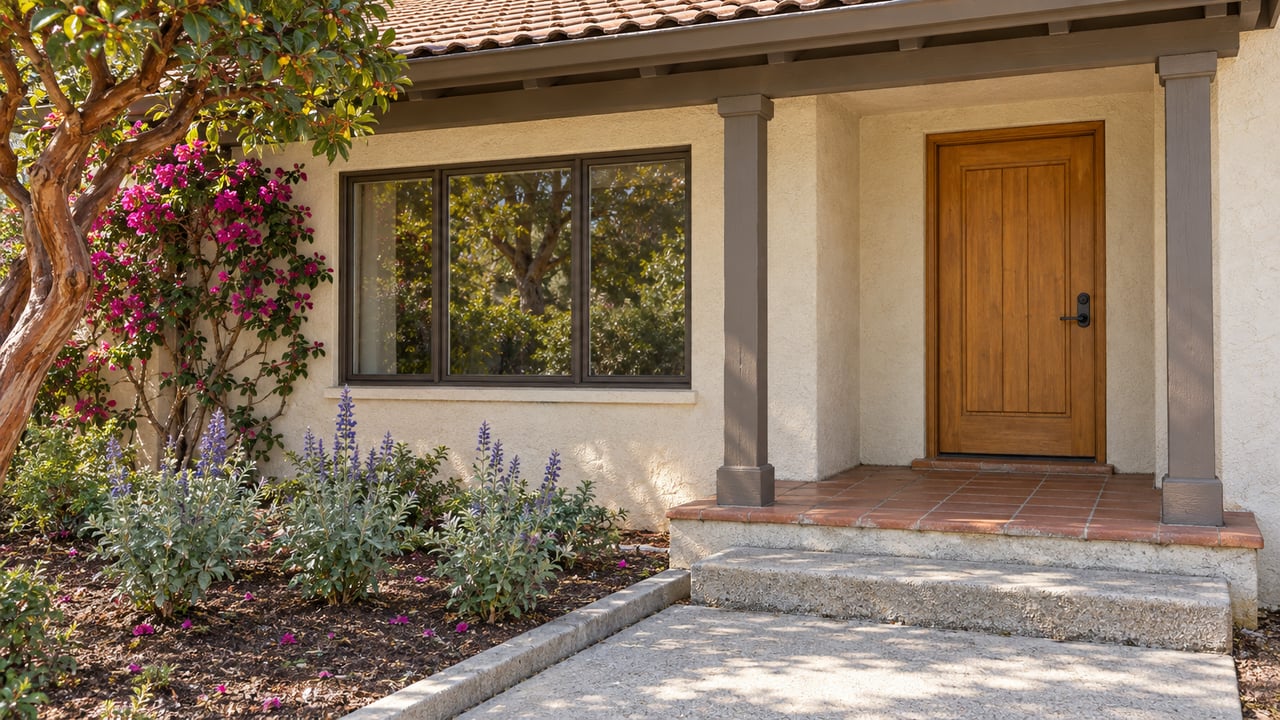
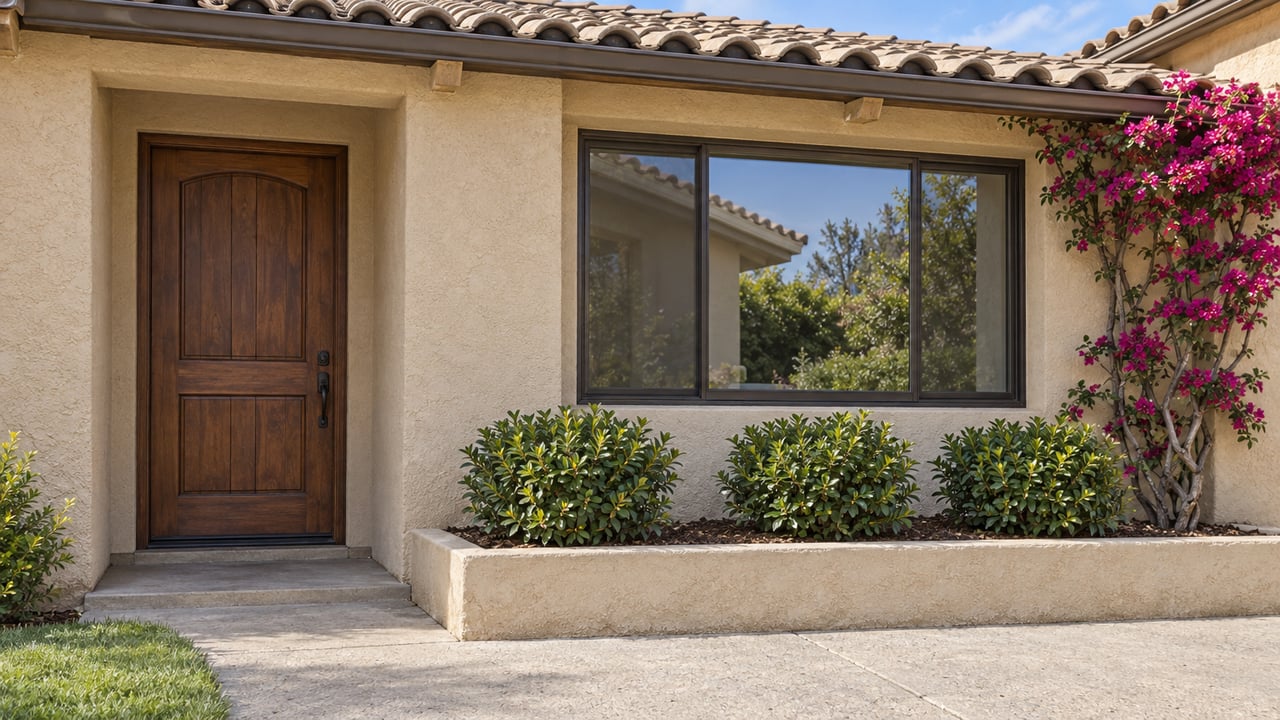
- Refresh curb appeal with trimming, mulch, and flowers.
- Book professional photography and a floor plan or virtual tour.
6-week market-ready plan
- Complete minor repairs in kitchens and baths.
- Stage the home or strategically stage key spaces like the living room, primary suite, and entry.
- Consider a pre-listing inspection to surface issues early.
- Build your marketing materials and set your pricing strategy.
12+ week renovation plan
- Only pursue larger updates if they lift your price bracket or reduce buyer objections.
- Tackle permits and contractor scheduling early.
- Plan to hit a spring launch if you want maximum exposure.
What to watch 30 to 60 days before listing
Keep an eye on a few key indicators to fine-tune your timing and strategy:
- Months of inventory: Lower inventory typically favors sellers.
- Days on market trend: Faster average DOM suggests strengthening demand.
- Showings per listing: Rising showing activity points to growing buyer interest.
- Mortgage rates: Sudden rate moves impact buyer budgets. If rates spike, consider sharper pricing.
Pricing and marketing that fit the season
- Spring with low inventory: Use a focused price to draw maximum traffic and early offers.
- Summer: Emphasize convenience and move-in timelines to catch buyers who want to settle before fall.
- Fall and winter: Lean into competitive pricing, standout photography, and virtual tours to keep momentum.
Property-type and neighborhood notes
- Single-family homes: Often see the strongest spring uplift, especially when staged and priced well.
- Condos and townhomes: Can be more price-sensitive and may see longer days on market off-season. Make financing-friendly presentation and disclosures a priority.
- Investment or multi-unit properties: Seasonality is usually less pronounced. Targeted marketing and clean financials matter more than month of the year.
- School timing: Many families prefer to close in summer. If your home appeals to those buyers, listing in late winter or spring can help your timing line up with their plans. Use neutral, factual language about schools and boundaries when marketing.
Sample calendar for a spring launch
- 10–12 weeks out: Decide scope and budget. Get quotes for paint, flooring, lighting, and landscaping.
- 8 weeks out: Complete repairs and cosmetic updates. Order staging consult.
- 4 weeks out: Stage, deep clean, and finalize disclosures. Set pricing and marketing plan.
- 2 weeks out: Schedule photography, video, and virtual tour. Build listing assets.
- Launch week: Go live midweek to capture weekend traffic. Maximize showing availability and host an open house.
Presentation moves that pay off
- Professional staging: Helps buyers visualize how spaces live and photograph beautifully.
- High-quality visuals: Bright photography, accurate floor plans, and virtual tours attract out-of-area and time-pressed buyers.
- Flexible showings: Offer generous windows, especially in the first two weeks.
- Clear documentation: Organized disclosures and receipts build buyer confidence and can speed negotiations.
Disclosures, taxes, and timing
- California requires comprehensive seller disclosures. Preparing them early can prevent delays.
- Property taxes are reassessed at sale under Proposition 13 rules.
- Many homeowners may qualify for a primary residence capital gains exclusion under IRS Section 121. For specific guidance, consult a qualified tax professional.
The bottom line
The “best” time to sell in Santa Clarita is usually late winter through spring, but the right strategy, pricing, and presentation can deliver strong outcomes in any season. Focus on your goal, build the right prep plan, and watch local signals to fine-tune your launch. If you want a trusted partner to handle the details and reduce your stress, we’re here to help.
Ready to map your timeline and maximize your net? Connect with Lorraine Cruz for a friendly, data-informed plan tailored to your home.
FAQs
Is spring always the best time to sell a home in Santa Clarita?
- Historically, late winter through spring brings the strongest combination of buyer demand and faster sales, but your pricing, presentation, and current market signals can outweigh the calendar.
How long should I prepare my Santa Clarita home before listing?
- Plan 2 to 8 weeks for cleaning, repairs, and staging; allow 8 to 16+ weeks if you are doing larger updates or permits and weigh the potential return on investment.
Will listing in winter hurt my sale price in Santa Clarita?
- Winter usually has fewer buyers and longer days on market, but lower competition and a sharp presentation can still produce strong results with the right pricing.
Should I get a pre-listing inspection in Santa Clarita?
- A pre-listing inspection can surface issues early, reduce surprises, and lead to more predictable timelines, which helps if you need a smooth, low-stress sale.
What market indicators should I check before listing in Santa Clarita?
- Watch months of inventory, days on market trends, showing traffic, and mortgage rates 30 to 60 days before going live to fine-tune timing and pricing.
How do I sell if I’m also buying in Santa Clarita?
- Align your sale and purchase timelines with clear contingencies, flexible terms like rent-backs when appropriate, and a realistic schedule so you avoid rushed decisions.