ADU Rules in West Hollywood: A Clear, Practical Guide
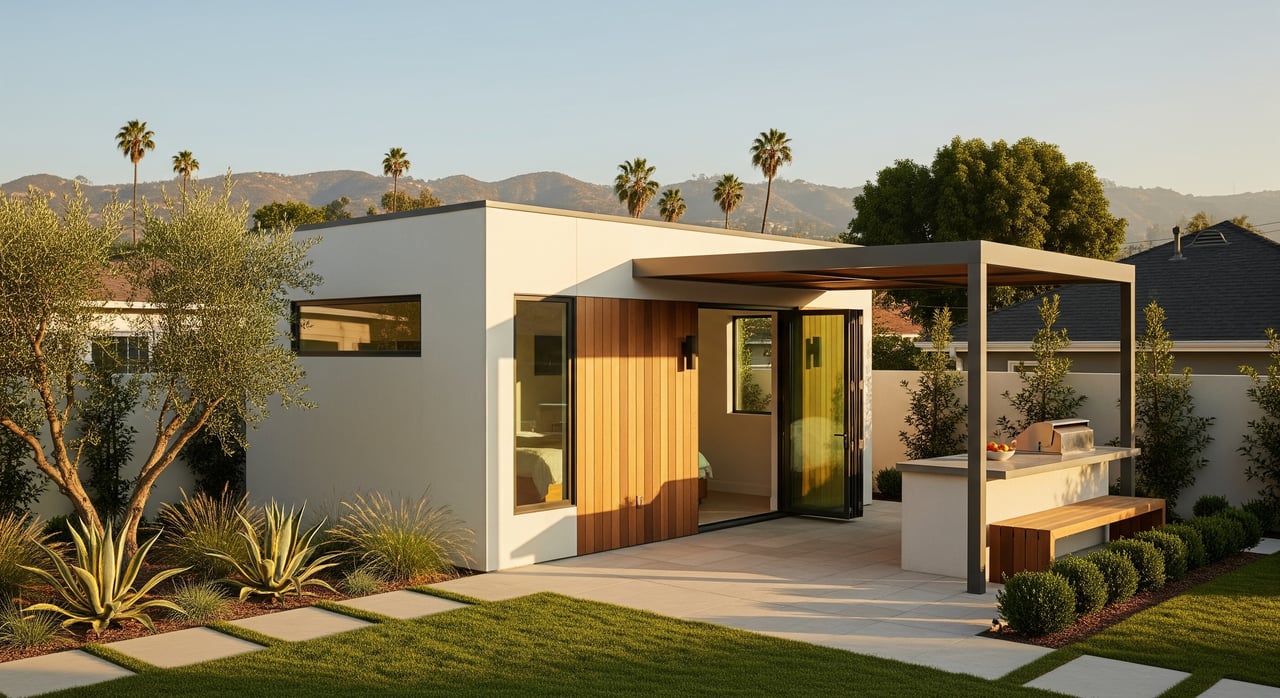
Thinking about adding an ADU to your West Hollywood property, but not sure where to start? You are not alone. California has made ADUs easier to build, and West Hollywood follows those state rules while adding local procedures. In this simple guide, you will learn the basics on size, placement, parking, permits, timelines, and rental rules. Let’s dive in.
An accessory dwelling unit is a separate home on the same lot as a primary residence. It can be attached, detached, or a conversion of an existing space like a garage. A junior ADU is a smaller unit created within the main home, often with a compact kitchen and shared facilities.
State law sets the overall framework, and cities apply objective standards. In most cases, ADUs that meet these standards are approved through a ministerial review, which means no discretionary hearing. You still must meet building codes, zoning, and any historic or design rules that apply to your property.
State law often allows detached ADUs up to 1,200 square feet and JADUs up to 500 square feet. West Hollywood applies local height, lot coverage, and floor area rules on top of that. Always confirm exact numbers with the City before you design.
If you plan an attached ADU or a conversion within the home, the allowable size may be tied to your primary residence. Your designer can run calculations for floor area ratio and lot coverage based on your zoning.
State rules reduce many side and rear setback requirements for ADUs, especially for smaller detached units. If you convert an existing structure like a garage, you can often keep the current footprint and setbacks if you do not enlarge the building. Plan window placement, landscaping, and entry orientation to respect neighbor privacy.
Parts of West Hollywood have historic overlays or design review. ADUs can still be feasible, but you will need to follow objective design standards that fit the area. Ask the City early if any overlays affect your lot.
State law limits parking requirements for many ADUs, especially in transit-served urban areas like West Hollywood. In many cases, no additional space is required. If parking is required, cities often allow creative solutions like tandem parking or replacement in other locations on the lot. Confirm any site-specific exceptions with the City, especially for historic properties or unique zoning.
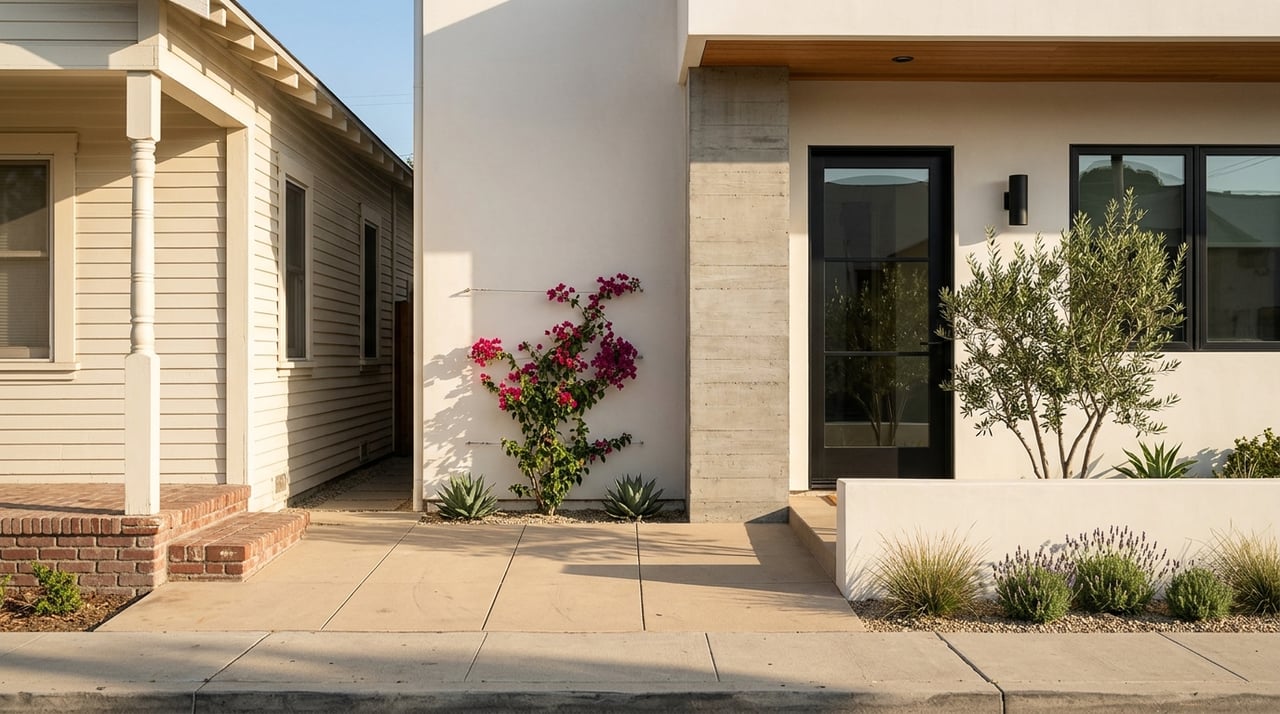
Plan a safe, clear path from the street to the ADU entrance. Use fencing, hedges, and window placement to protect privacy for both homes. If you convert a garage, think ahead about how residents will enter the unit without crossing private yard areas.
Every ADU needs water, sewer, and power. Separate gas is optional if you choose all-electric appliances. Some homeowners add separate utility meters for billing clarity, while others keep shared service. Contact local utilities early to check capacity and whether any meter or panel upgrades are needed.
Cities collect plan check, building permit, and some local fees. State law limits certain impact fees, and smaller ADUs can qualify for reduced fees under state thresholds. Ask the City for the current fee schedule and whether any reductions or programs apply to your project.
Adding living area generally increases assessed value, which can raise your property taxes. The County Assessor can explain how they treat ADUs and any available exclusions. It helps to keep all permits and final approvals organized for your records.
You can often rent an ADU long term, but you must follow local landlord and tenant laws and any rental registration requirements. Keep written leases, disclosures, and move-in condition reports on file.
West Hollywood has a structured short-term rental program with registration, eligibility rules, and enforcement. Before listing an ADU for short stays, confirm whether your property and unit qualify. Noncompliance can lead to fines, so handle licensing before you host.
State law has limited many owner-occupancy requirements for ADUs, though local rules can vary by unit type and timing. Confirm current requirements for your address before you finalize plans.
Ministerial ADUs that meet all standards can move from plan check to permit in a few weeks to a few months, depending on completeness and City workload. New detached ADUs, hillside or utility upgrades, and projects in historic areas can take longer. Build realistic time into your plan for design, review cycles, and contractor lead times.
Use clerestory windows, frosted glazing, and landscape screening to reduce direct views between homes. Orient entries and patios to create separate outdoor spaces. Consider skylights to bring in daylight without compromising privacy.
California energy code sets efficiency standards, and you can go further with heat pump HVAC, insulation upgrades, and water-saving fixtures. Solar readiness and smart controls can reduce long-term costs. If the ADU supports aging in place, include a zero-step entry and wider doors.
Converting a garage is often faster and less expensive because you reuse the footprint and structure. A new detached ADU offers more design flexibility and privacy, but it usually requires more site work and utility extensions. Choose the path that best fits your budget and goals.
Ready to explore your options with a local, consultative team? We can help you scope feasibility, align design choices with budget, and coordinate a smooth permit-to-construction path. Connect with Lorraine Cruz and the Kramer Cruz Group to plan your West Hollywood ADU with confidence. We offer service in English, Spanish, and German.
Whether you're in the research phase at the beginning of your real estate search or you know exactly what you're looking for, you'll benefit from having a real estate professional by your side. She'd be honored to put her real estate experience to work for you.