Clean Power Alliance & 100% Green Power in West Hollywood
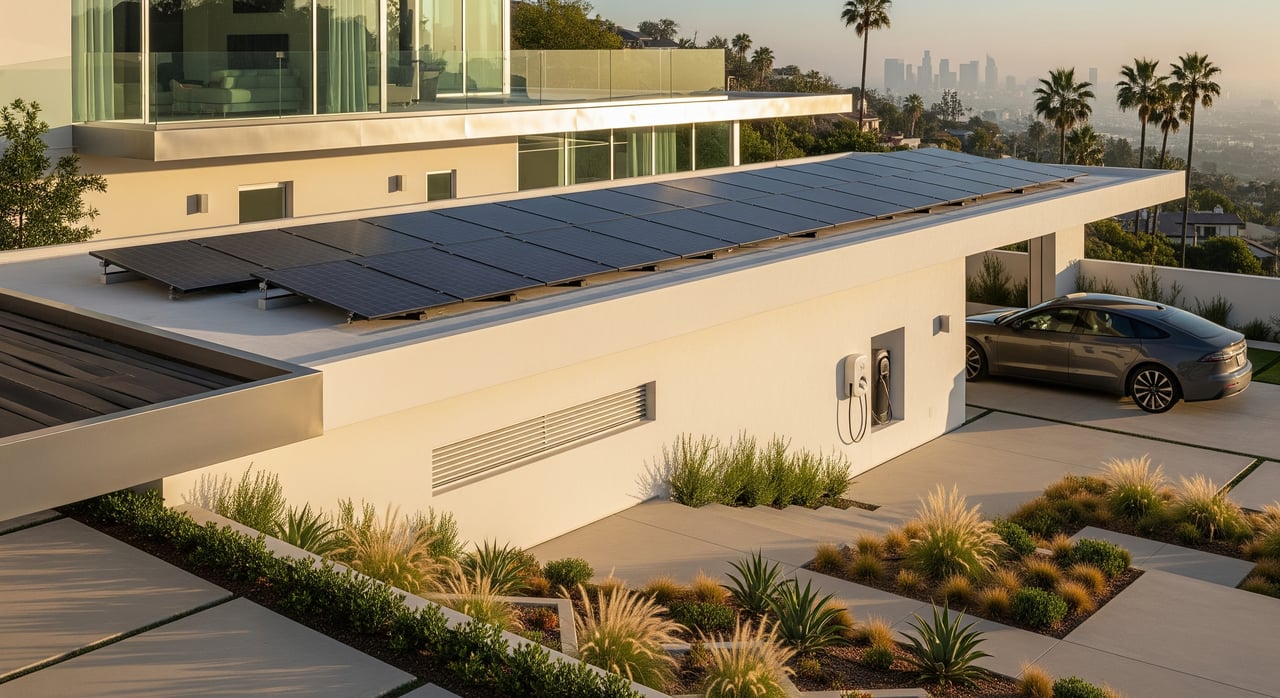
Curious what “100% Green” on your West Hollywood power options really means for your home and your bill? You are not alone. With community choice energy and new electrification tech, it can feel confusing to sort out who does what and how it affects you. In a few minutes, you will understand how West Hollywood’s power supply works, what 100% Green covers, how billing and enrollment operate, and how it pairs with solar, storage, and EVs. Let’s dive in.
If you live in West Hollywood, your electricity involves two roles. Southern California Edison (SCE) owns and operates the poles, wires, meters, and outage response. Clean Power Alliance (CPA) is the community choice energy provider that can supply the generation portion of your electricity.
You will still receive one consolidated bill from SCE. It shows delivery charges for SCE’s grid services and a separate line for CPA’s generation charges. Even though two organizations are involved, your billing remains on a single SCE statement.
When you see “100% Green,” it refers to CPA’s product choice for your electricity supply. It is about how your power is procured, not about a dedicated green-only wire to your home.
A 100% Green product means the supplier procures and retires enough eligible renewable energy or renewable energy certificates, often called RECs, to match your annual electricity use. This is a supplier-level accounting claim. It does not mean every electron you use at every moment comes directly from a wind or solar plant.
It helps to separate terms. “Renewable” typically covers wind, solar, geothermal, small hydro, and eligible biogas. “Carbon-free” may include resources like nuclear. Product labels and disclosures explain which resources are used, and the wording matters.
California requires annual power content labels that show each supplier’s resource mix and greenhouse gas intensity. These labels are the primary way you can verify what is in a 100% Green product and how that compares to other options.
Electrons on the grid are shared across many users. Your home draws from a regional mix that changes hour by hour. A 100% Green product means your supplier matched your annual usage with renewable attributes through contracts and RECs.
Because solar and wind output varies with the weather, the actual generation serving the grid at a given hour may include fossil resources. Some suppliers are adding storage and exploring more precise hourly matching, but most 100% products today rely on annual matching.
The bottom line is still positive. Choosing 100% Green supports cleaner procurement and reduces the greenhouse gas footprint associated with your annual electricity use.
Your SCE bill will show three main elements:
When a city participates in a community choice program, eligible customers are typically enrolled by default and receive notices about their options. You can choose among products, including a 100% Green option, or opt out and return to SCE generation service. You can usually make changes online or by phone, and the program’s customer service can explain current timelines and any requirements.
Rates vary over time. A 100% Green product often has a small premium compared to a standard or lower-renewable option, but exact price differences change with market conditions. Review current generation rate sheets and the latest power content label to compare products.
Rooftop solar and batteries interact with your power supply in helpful ways. Solar reduces how much electricity you pull from the grid. A battery provides backup during outages and lets you shift solar energy into evening hours when prices can be higher.
In California, Net Energy Metering changed in 2023, often called NEM 3.0. Export credits are now lower than they were under older rules. This shifts the economics, so homeowners often consider smaller solar systems paired with batteries to increase self-consumption and bill savings.
If you choose 100% Green, you can still benefit from rooftop solar and storage. You are lowering your on-site grid use and improving resilience, while your supplier matches your remaining annual usage with renewable attributes. Accounting rules avoid double counting by tracking RECs and verifying resource mixes on the power content label.
Many households in Central LA charge at home. Time-of-use, or TOU, rates make a big difference. Off-peak pricing can be significantly lower than on-peak periods. Scheduling your EV charging overnight or during solar-heavy midday hours can reduce costs.
Smart chargers and simple timers help you automate charging when prices are lower. If you add a home battery, you can store solar energy for use during peak times. Smart load controls and demand response programs may offer additional savings while easing stress on the grid.
Several incentives can improve the economics of clean energy upgrades:
If you are planning a move or preparing a home for sale, timing upgrades to align with incentives and installation windows can make a difference.
Use this simple checklist to plan your upgrades:
If you are selling in West Hollywood, energy-efficient features, EV readiness, and clean power alignment can strengthen your home’s story. Buyers value clear operating cost information, practical upgrades like a 240-volt EV outlet, and documentation for solar and storage.
If you are buying, review the existing panel capacity, EV charging options, and any solar or storage systems. Ask for recent electricity bills to understand usage and rate plans. Knowing your product options through the community choice program helps you plan your monthly costs and your path to electrification.
A trusted real estate team can help you position upgrades before listing or evaluate them during due diligence so you make confident decisions.
Whether you want a simple rate check or you are mapping a full home electrification pathway, it helps to get a clear, local view. Our team pairs boutique guidance with modern tools so you can plan upgrades, prepare to sell, or buy with confidence in West Hollywood and across Central LA. If you would like a consultative conversation tailored to your goals, reach out to Kramer Cruz Group.








Whether you're in the research phase at the beginning of your real estate search or you know exactly what you're looking for, you'll benefit from having a real estate professional by your side. She'd be honored to put her real estate experience to work for you.