West Hollywood Condo Market Trends: What Buyers Should Know
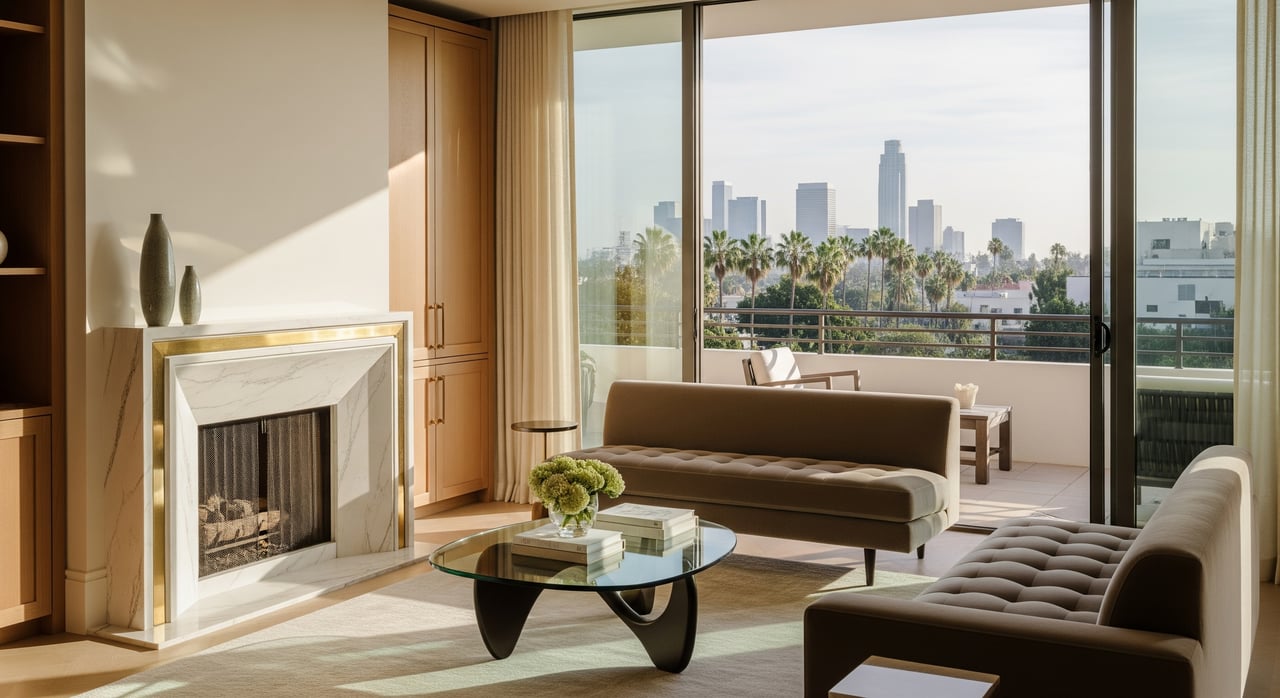
Shopping for a condo in West Hollywood can feel exciting and a little overwhelming. Buildings on the same block can have very different prices, rules, and long-term costs, which makes it hard to compare apples to apples. In this guide, you’ll get a clear picture of pricing, building types, local rules, and the due diligence that protects you before you write an offer. Let’s dive in.
West Hollywood condos sit in a two-tier market. Full-service and newer luxury buildings near the Sunset Strip command higher prices, while mid-century garden-style buildings often offer lower entry points but may need more maintenance. New development is active, yet it typically targets a different buyer and does not usually pull down resale pricing in the short term.
Public market snapshots show a wide range. Aggregated West Hollywood data reported a median sale price around the mid 700s across all home types in late summer 2025, with condo prices varying by building and location. Zip-level reporting for 90069 showed a roughly mid–seven-figure median over a recent 12-month window, which reflects the premium near the Strip and Hills. Your best read comes from building-level comps for the exact HOA you’re considering.
The city continues to approve notable mixed-use and hotel/residential projects along Sunset and other corridors, adding hundreds of units over several years. Timelines vary by approvals and financing, and vertical construction for some projects is planned mid to late decade. These additions can shape long-term options and streetscapes, but they generally do not depress established resale pricing in the short term because they target a different segment. See recent approvals discussed in local reporting on an 11-story project on Sunset Boulevard for context (WeHo Council approval coverage).
Monthly dues vary widely in West Hollywood. Examples from recent listings show dues ranging from the low 400s up to 1,500 or more depending on amenities and services. Ask for the current operating budget, reserve study, recent bank statements, board meeting minutes, any special assessments, and the history of annual increases. Low reserves or frequent special assessments can raise your true monthly cost.
Confirm the HOA’s master insurance limits and covered perils, then price your interior HO-6 policy. For earthquakes, many condo owners consider coverage through the California Earthquake Authority or private options. Learn how HO-6 earthquake policies work and what they typically cover on the CEA site (condominium coverage overview).
After the Surfside collapse, agencies tightened condo project standards. Some buildings can be flagged as unavailable to major investors if there is deferred maintenance, insurance shortfalls, or high delinquency rates, which can restrict conforming financing (analysis of condo lending challenges). Ask your lender early if the building is warrantable and whether loans are routinely approved there. Review Fannie Mae’s project standards to understand what lenders look for (general project standards, full review process). You may also see local reporting on how tighter guidelines impact California buyers and sellers (lending environment overview).
Many West Hollywood buildings date to the 1960s and 1970s. Have an inspector evaluate roofing, systems, parking structures, concrete, and any soft-story or other seismic vulnerabilities. Ask the HOA about engineering studies, required retrofits, and whether any city orders or code items are pending. Large structural work can lead to special assessments.
Request CC&Rs, bylaws, house rules, and the resale certificate. Confirm short-term rental policies, lease minimums, and any owner-use restrictions that affect your plans. If a unit is tenant occupied, know that West Hollywood has rent stabilization and eviction rules with relocation requirements and additional protections for certain tenants (rent stabilization overview). For buildings that were converted from apartments, confirm the conversion was approved and whether any conditions apply (condo conversion planning decision).
West Hollywood is built out and engaged on land use. Major remodels or new projects can involve hearings, design review, and mitigations that affect timelines and nearby character. If a building or block is important to you, monitor Planning Commission and Council agendas for context on what may change (joint study session on housing).
If you want building-level insight and a clear plan for your short list, connect with Lorraine Cruz for a calm, data-forward strategy tailored to West Hollywood and your goals.


Whether you're in the research phase at the beginning of your real estate search or you know exactly what you're looking for, you'll benefit from having a real estate professional by your side. She'd be honored to put her real estate experience to work for you.