How to Compare San Fernando Valley Starter Neighborhoods
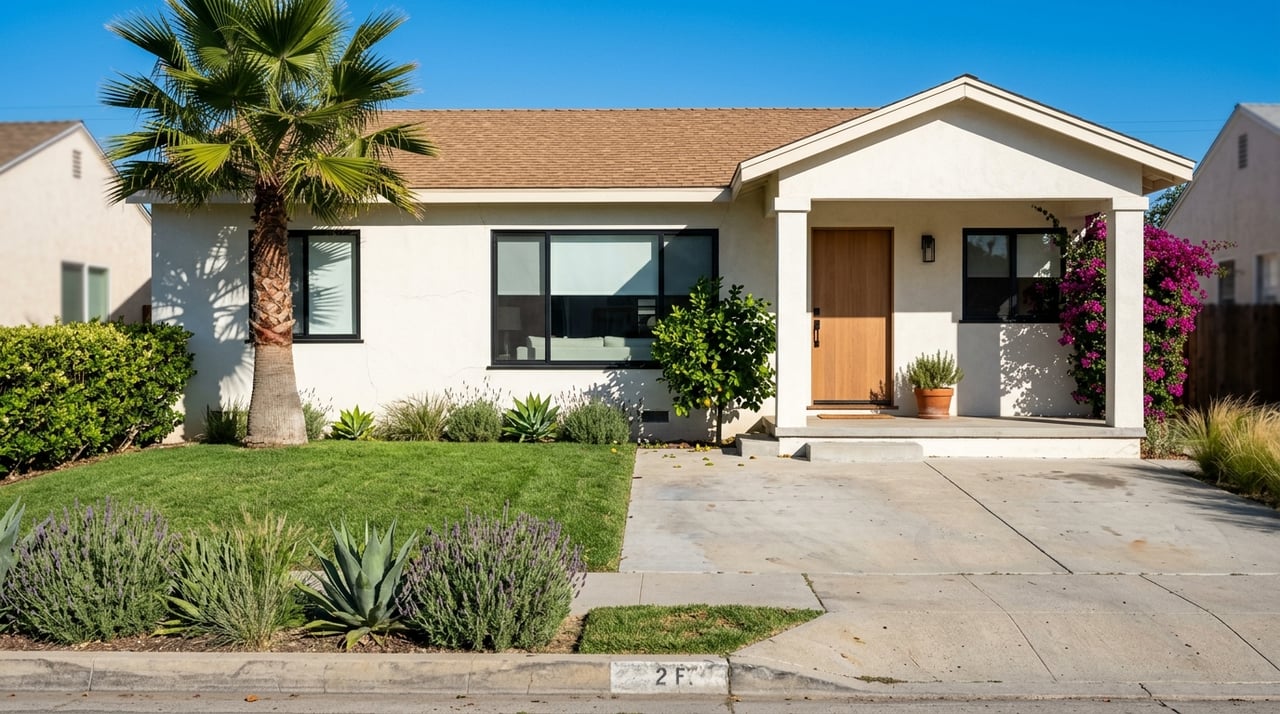
Buying your first home in the San Fernando Valley can feel like trying to solve a puzzle where the pieces keep changing. Prices, property types, monthly costs, and commute patterns can look very different from one part of the Valley to the next. The good news is that a starter home still has a place here, and understanding your options can help you make a smarter, more confident move. Let’s dive in.
In the San Fernando Valley, a starter home does not always mean a detached house with a yard. Because Los Angeles County had a median sale price of $890,000 and a median list price of $944,633 in spring 2026, many first-time buyers start by looking at attached homes instead.
That matters because the Valley is not one single housing market. LA Metro defines the broader San Fernando Valley area to include the Valley portion of the City of Los Angeles along with nearby cities such as Burbank, Glendale, Calabasas, Hidden Hills, San Fernando, and Westlake Village. Within the City of Los Angeles, community plan areas such as North Hollywood–Valley Village, Van Nuys–North Sherman Oaks, Reseda–West Van Nuys, Chatsworth–Porter Ranch, Sylmar, and Sun Valley–La Tuna Canyon can shape zoning decisions and affect housing type and density from one pocket to the next.
If you are hoping to buy in the Valley, attached housing often becomes the starting point for a simple reason: access. Zillow search data for the San Fernando Valley currently shows thousands of listings, including 654 condos, 293 townhomes, and 2,175 single-family homes.
That mix gives you real choices, but not always at the same budget level. In many Valley submarkets, condos and townhomes can create a more realistic path into homeownership than a detached house.
A condo is an individually owned unit within a larger building or shared community. Common areas and shared facilities are typically owned collectively, and the community is often managed by a homeowners association.
For many buyers, the biggest benefit is lower-maintenance living. Exterior upkeep and common-area care are usually handled through the association, but that convenience comes with mandatory monthly dues.
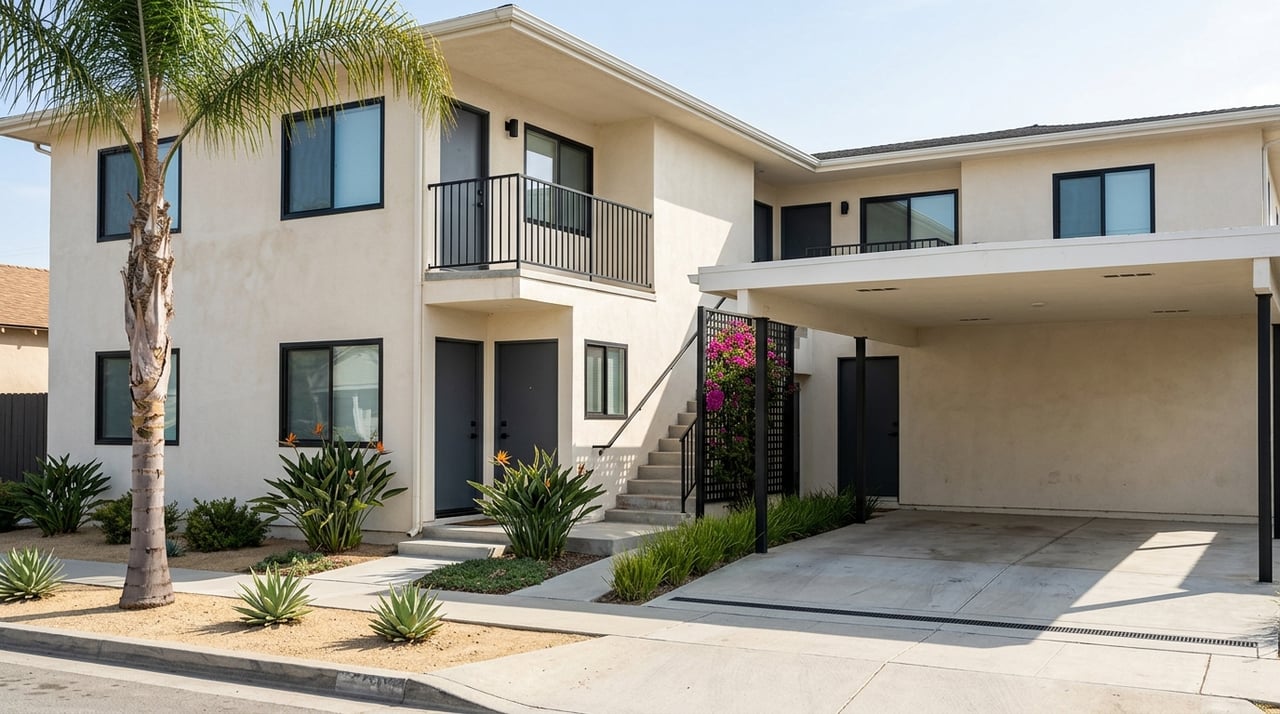
A townhome often sits between a condo and a detached home. Townhomes are frequently multistory, may share walls, and are often part of HOA-governed communities.
That setup can appeal to buyers who want more space or a more house-like layout without taking on every maintenance responsibility alone. If you want a practical compromise, a townhome may be worth a close look.
A smaller single-family home is still the classic starter-home image for many people. It can offer more privacy, a yard, and more control over exterior changes.
In the Valley, though, that control usually comes at a higher purchase price than attached housing. That is why many buyers begin with a condo or townhome, even if a detached house remains the long-term goal.
One of the most important things to know is that starter-home options are spread across multiple Valley pockets. Current listing patterns show condos and townhomes in places such as Canoga Park, Encino, Tarzana, Northridge, Panorama City, North Hills, Sylmar, Sherman Oaks, Valley Village, Chatsworth, Porter Ranch, and Woodland Hills.
That broad distribution means you may not have to focus on just one neighborhood type or one narrow corridor. Instead, your decision often becomes a balance between budget, space, monthly costs, and transportation needs.
For many buyers, commute time is one of the biggest factors in deciding where a starter home fits. In the Valley, transit access can directly affect how you compare one pocket to another.
Metro’s G Line is an 18-mile bus rapid transit line running from North Hollywood to Chatsworth, and it is the highest-ridership active line in the San Fernando Valley. The B Line also terminates at North Hollywood, which makes that station an important transfer point.
Metro is also building the East San Fernando Valley Light Rail Transit line, a 6.7-mile project with 11 stations along Van Nuys Boulevard. The project is estimated for completion in 2031, with peak service expected every 7 to 10 minutes, and a northern extension toward Sylmar and San Fernando Metrolink has also been studied.
Transit does not automatically make one home the right choice, but it can change the math. A home with stronger access to key transit routes may give you a better daily routine, while a home farther from those routes may offer more private space for the same budget.
In practical terms, many Valley buyers choose between convenience and room, rather than expecting both at the same price point. That trade-off is a normal part of the starter-home search here.
Purchase price is only one part of affordability. If you are considering a condo or townhome, monthly HOA dues deserve just as much attention.
According to the Consumer Financial Protection Bureau, condo and HOA dues are usually paid separately from your mortgage and can vary widely. If dues go unpaid, they can lead to collection efforts and even foreclosure.
Before you move forward on an attached home, it helps to understand exactly what the dues cover. Some communities include exterior maintenance, common areas, reserves, or even certain utilities or amenity upkeep.
You should also ask whether the HOA has reserve funds and whether special assessments are possible for major one-time expenses. Fannie Mae also notes that HOA rules may limit what changes you can make to the property, and buyers should confirm what the HOA insures versus what the owner must insure separately.
Your loan choice can influence which type of home feels realistic. The Consumer Financial Protection Bureau notes that FHA loans are designed to expand homeownership opportunities and generally have more flexible qualifying standards than conventional loans, though mortgage insurance costs are passed along to the borrower.
That can matter if you are trying to balance a down payment, monthly payment, and HOA dues all at once. A home that looks affordable at first glance may feel different once you add dues and insurance into the full monthly picture.
A starter home is usually not just about getting the keys. It is also about choosing a property that can still make sense for you if your needs change in a few years.
A reasonable way to compare options is to think about maintenance, commute, and future buyer appeal together. Low-maintenance homes near transit corridors and job centers may appeal to a broader buyer pool over time, especially as the East San Fernando Valley rail line progresses and community plans continue to influence local zoning.
That does not guarantee appreciation, and no one property type wins in every situation. Still, looking at resale through a practical lens can help you avoid choosing only on emotion.
If you are deciding where a starter home fits into your Valley search, start with your real daily priorities. The best first home is not always the one that checks every dream box. It is often the one that creates the most stable and manageable next step.
Here is a simple framework:
The San Fernando Valley gives you more than one way to enter the market. The key is understanding which trade-offs serve your goals best today, while still leaving room for your next move tomorrow.
If you want help comparing Valley pockets, attached versus detached options, or the monthly cost picture behind the list price, Lorraine Cruz can help you map out a smart, personalized buying strategy.
Whether you're in the research phase at the beginning of your real estate search or you know exactly what you're looking for, you'll benefit from having a real estate professional by your side. She'd be honored to put her real estate experience to work for you.